

 See My Latest Article on HelloNation
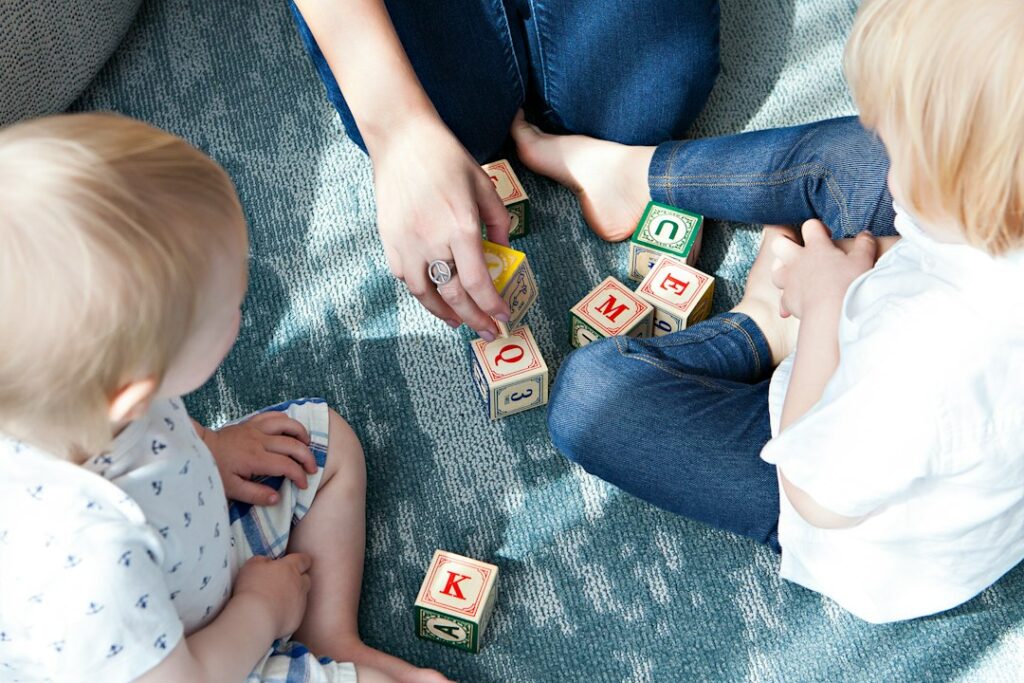
Early intervention can help young children build communication, movement, learning, social, and daily living skills during the first years of life. For families in Pickerington, OH, it is also a way to understand a child’s development, address concerns early, and learn practical strategies that fit everyday routines.
What does early intervention mean?
Early intervention is a coordinated system of services and support for infants and toddlers who have developmental delays, disabilities, or certain diagnosed medical conditions. In Ohio, the program generally serves children from birth through age 3.
The purpose is not to label a child or predict the future. It is to identify areas where a child may need additional support and help the family understand how to encourage development through play, communication, movement, feeding, and daily activities.
Support may address:
- Speech and language development
- Social interaction and early communication
- Crawling, walking, balance, and coordination
- Fine-motor skills such as grasping or using utensils
- Thinking, learning, and problem-solving
- Self-help skills, including eating, dressing, and routines
- Hearing, vision, feeding, or other developmental concerns
Early intervention is family-centered. This means parents and caregivers are active participants in planning goals and practicing strategies at home, during errands, at child care, or in other familiar settings.
How is early intervention different from developmental screening?
Developmental screening is a brief, formal check of how a child is developing. Early intervention is the support that may follow when screening, observation, medical information, or family concerns suggest that additional help could be useful.
A pediatric visit may include developmental monitoring, which involves discussing a child’s progress and observing skills over time. Screening uses a standardized questionnaire or tool to look more closely at areas such as communication, movement, behavior, and problem-solving.
The American Academy of Pediatrics recommends developmental screening during well-child visits at 9, 18, and 30 months. Autism-specific screening is recommended at 18 and 24 months. Screening may also be appropriate at other ages when a parent, caregiver, teacher, or medical provider has a concern.
A screening result is not the same as a diagnosis. It indicates whether further evaluation may be helpful.
What signs might lead a family to ask about support?
Families may consider early intervention when a child is not gaining skills, loses a skill previously developed, or seems to have difficulty participating in ordinary routines. A single difference does not automatically mean there is a delay, but patterns deserve attention.
Examples may include:
- Limited use of gestures, sounds, words, or other ways to communicate
- Difficulty responding to names, facial expressions, or social interaction
- Ongoing trouble sitting, crawling, standing, walking, or using both sides of the body
- Difficulty grasping toys, bringing objects to the mouth, or using hands during play
- Feeding, chewing, swallowing, or texture concerns
- Limited interest in people or activities
- Strong difficulty with changes in routines or transitions
- Loss of language, movement, play, or social skills
Premature birth, low birth weight, a known medical condition, hearing or vision concerns, or a family history of developmental disabilities may also lead to closer monitoring. These factors do not determine a child’s outcome, but they can make regular developmental follow-up especially useful.
Can a family make a referral without a diagnosis?
Yes. A medical diagnosis is not required before asking about Ohio’s early intervention system. Parents and caregivers can raise concerns directly, and referrals may also come from medical providers, child care professionals, social service agencies, or others who know the child.
This matters because families sometimes wait for a child to “catch up” or assume that a doctor must make the referral. Waiting is not necessary when a concern is persistent or significant. An evaluation can help clarify whether support is needed.
Eligibility is determined through Ohio’s process. Some children qualify because of a diagnosed condition. Others receive a developmental evaluation that considers parent information, observation, developmental measures, medical records, and other relevant information.
Eligibility is not based on household income, and asking whether a child qualifies does not obligate a family to accept services.

What happens after a referral?
A service coordinator usually contacts the family to explain the process and answer questions. The family may be asked about the child’s health history, daily routines, strengths, and areas that are difficult.
If evaluation is appropriate, the team may review development in several areas rather than focusing only on the original concern. For example, a child referred for limited speech may also be observed during play, social interaction, movement, hearing-related tasks, and problem-solving.
If the child is eligible and the family agrees to participate, an Individualized Family Service Plan, often called an IFSP, is developed. It identifies functional goals, such as helping a child request a snack, move safely across the living room, tolerate toothbrushing, or participate in play with a caregiver.
Services may include developmental instruction, speech-language support, occupational therapy, physical therapy, feeding assistance, or other specialized help. The exact combination depends on the child’s needs and the family’s priorities.
Does early intervention happen in a clinic?
Not necessarily. Early intervention is often designed to occur where a child naturally spends time, such as at home, with a caregiver, in child care, or in another everyday setting.
This approach allows families to practice strategies during real routines. A provider might help a caregiver encourage communication while preparing a meal, support balance during play, or adjust a bedtime routine to make participation easier.
For households in Pickerington, seasonal changes and daily logistics may affect routines. Winter clothing, indoor play during cold weather, neighborhood walks, stairs, and transitions between home and child care can all provide useful opportunities to practice skills. The goal is to make support practical rather than separate from family life.
What happens when a child turns 3?
Early intervention through the infant-and-toddler system generally ends around a child’s third birthday. Transition planning should begin before that point so the family understands possible next steps.
Some children may move into preschool special education services if an evaluation shows that they meet the eligibility requirements. Other children may no longer need specialized support, may benefit from community or school-based resources, or may continue receiving medical or therapeutic services through another system.
A transition meeting gives families an opportunity to review progress, discuss concerns, and plan for the change. Turning 3 does not mean support suddenly disappears, but the rules, programs, and eligibility standards may change.
What should a parent do if concerns remain?
Write down specific examples rather than relying only on general descriptions. Note what the child can do, what seems difficult, when the concern occurs, and whether the skill is changing over time. Short videos or notes from daily routines may also help during discussions with a pediatric provider or evaluation team.
Families can ask:
- Which developmental area is the main concern?
- What information will be used to determine eligibility?
- What happens if the child is not eligible?
- What supports can be practiced during ordinary routines?
- How will progress be measured?
- What is the transition plan before age 3?
Early intervention is not a judgment about parenting, and seeking an evaluation does not mean a child has a permanent disability. It is a structured way to understand development and respond thoughtfully when a young child may benefit from added support.