

 See My Latest Article on HelloNation
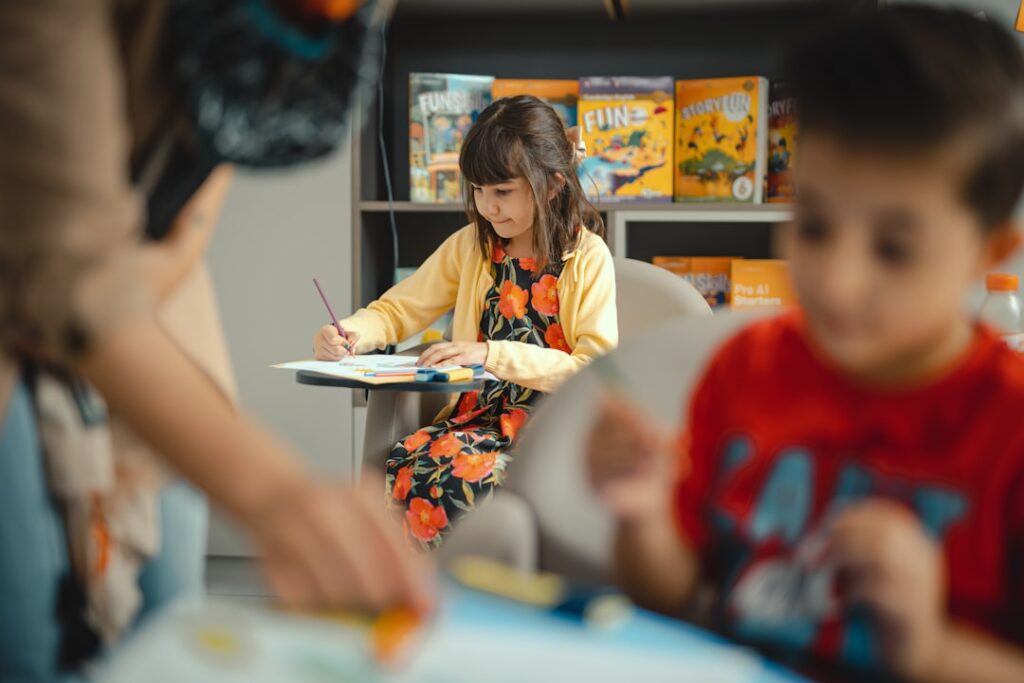
What Are Learning Disabilities and Why Recognize Them Early?
A learning disability is a neurological difference that affects how a child learns, processes, and communicates information. Recognizing these signs early can help families in Pickerington support their children with strategies and resources tailored to their specific needs, both in and out of the classroom. Early identification allows families to collaborate with educators, making everyday learning less stressful and more effective for their children.
What Behaviors Might Signal a Learning Disability in Local Children?
Children develop academic and social skills at different rates, but certain behaviors may stand out as unusual or persistent compared to peers:
- Struggles with reading, writing, or math unrelated to overall intelligence
- Difficulty following instructions, even after repeated explanations
- Problems with remembering sequences, such as days of the week or steps in a task
- Trouble organizing school supplies, homework, or their backpack
- Listening attentively yet appearing not to understand or retain spoken information
Occasional forgetfulness or frustration with schoolwork is common. However, consistent difficulty, especially when observed by multiple adults across home and school, may suggest an underlying learning difference.
Are These Just Developmental Delays, or Something More?
While every child is unique, families often ask how to separate typical growing pains from signs that may indicate a disability rather than a temporary lag. A learning disability is usually persistent—lasting more than a few months and present despite receiving help at home or in the classroom. For example, if a child in Pickerington continues to reverse letters after most classmates have stopped or is unable to recall basic sight words despite practicing, these may be early indicators.
Which Academic and Social Skills Are Most Commonly Affected?
The most recognizable learning disabilities in school-aged children often relate to:
- Reading (dyslexia): Mixing up letters, reading below grade level, guessing words instead of sounding them out
- Writing (dysgraphia): Experiencing trouble forming letters, spacing words, or producing organized thoughts on paper
- Math (dyscalculia): Difficulty with basic number sense, memorizing math facts, or understanding math symbols
- Attention and organization: Trouble maintaining focus, completing multi-step tasks, or keeping track of assignments
Out of the classroom, learning disabilities may also affect skills like understanding social cues, making and keeping friends, or managing daily routines, especially in group settings like after-school programs or sports in Pickerington.
What Mistaken Beliefs Can Delay Recognition?
Some local families worry that acknowledging differences will “label” their child or limit their potential. Others may think children simply need more discipline or practice. However, learning disabilities are not the result of lack of effort or poor parenting.
Misconceptions that frequently delay recognition include:
- Believing children will “grow out of it”
- Attributing challenges only to personality or motivation
- Assuming only teachers can spot difficulties, when parents and caregivers are often the first to notice
Open communication between caregivers and educators helps ensure no signs slip through the cracks.
How Do Local Schools in Pickerington Support Students with Suspected Learning Disabilities?
School policies in Pickerington generally align with state and federal guidelines. If a learning disability is suspected by teachers or families, schools typically offer observations, screenings, or referrals to specialists. The process may include:

- Conversations between families and teachers about concerns and observed difficulties
- Classroom interventions or adjustments, like extra time or modified assignments
- If concerns persist, formal assessment by school psychologists or special education staff
Local public schools often have written guides outlining these steps, and educators are trained to notice persistent academic concerns.
What Can Parents and Caregivers Do at Home?
While formal diagnosis and support may come through schools, families play an important role in recognizing challenges and supporting children. Steps to help at home include:
- Observing and noting patterns (for example, if a child always forgets steps in a routine)
- Communicating observations with the classroom teacher
- Encouraging a growth mindset—praising effort and persistence rather than perfection
- Reading and playing games together to build confidence and reduce anxiety around learning
- Creating organized, quiet study spaces free from distractions
Community programs and summer activities in Pickerington also offer opportunities to strengthen social and academic skills in informal settings.
Are There Community Resources for Local Families?
Many families wonder where to turn if they see ongoing challenges. Local libraries often have books and educational programs tailored for children with varying learning needs. Recreational centers may offer inclusive activities and clubs.
Some public agencies at the county or state level provide informational sessions or parent workshops. Check with your child’s Pickerington school, local libraries, or the city’s community centers about upcoming events focused on understanding learning differences.
When Should Families Seek a Professional Evaluation?
School-based evaluation is common, but families may also consider private evaluation if learning struggles are severe, affect the child’s well-being, or persist despite targeted help. In rare cases where a child’s safety or mental health is at risk, prompt consultation with a medical or mental health professional may be necessary. Most learning-related concerns can be addressed through collaborative support between home and school.