

 See My Latest Article on HelloNation
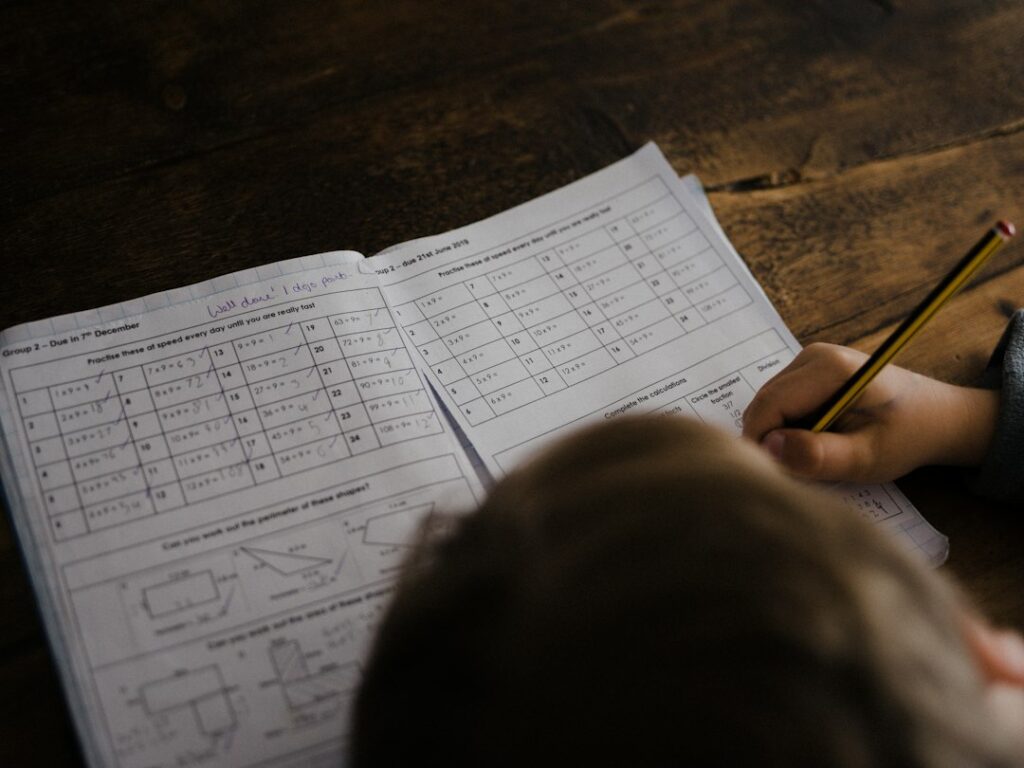
What is executive function?
Executive function is the group of mental skills that helps a person manage attention, actions, time, emotions, and information. These skills support learning, but they are not the same as intelligence, motivation, or knowledge.
For students, executive function helps with tasks such as:
- Starting an assignment
- Remembering instructions
- Organizing school materials
- Shifting between activities
- Estimating how long work will take
- Monitoring accuracy
- Managing frustration
- Completing multi-step tasks
These abilities develop gradually through childhood and adolescence. A student may understand a lesson clearly but still struggle to show that understanding because the executive demands of the assignment are too high.
How does executive function affect learning?
Executive function affects nearly every part of schoolwork because learning requires more than listening and recalling information. Students must also manage the process of learning.
For example, completing a writing assignment may require a student to understand the topic, choose an idea, organize thoughts, begin drafting, maintain attention, check spelling, revise sentences, and submit the work on time. A difficulty in any one of these areas can interfere with the final result.
Common effects include:
- Missing or incomplete assignments despite understanding the material
- Difficulty following directions with several steps
- Losing track of materials, dates, or homework
- Taking much longer than expected to finish routine work
- Trouble beginning tasks that seem boring, unclear, or overwhelming
- Making careless errors when working quickly
- Becoming upset when plans change
- Needing frequent reminders to continue
These patterns are often mistaken for laziness or carelessness. In many cases, the student is working hard but has difficulty managing the mental steps required.
Which executive-function skills matter most in school?
Different skills create different learning challenges. Understanding the specific skill involved is more helpful than describing a student as “unorganized” or “not trying.”
Working memory allows a student to hold information in mind while using it. A student may forget the second or third step of a direction, lose track of a calculation, or need instructions repeated even after appearing to listen.
Inhibitory control helps a person pause before acting, speaking, or switching attention. Weaknesses may appear as interrupting, rushing through work, reacting impulsively, or checking a phone or other distraction during homework.
Cognitive flexibility supports changes in plans, rules, perspectives, or strategies. A student may become stuck when an answer is marked incorrect, have trouble moving between subjects, or struggle with an unfamiliar way of solving a problem.
Planning and organization help students determine what needs to be done and in what order. Long-term projects, studying for several tests, and keeping track of materials can become especially difficult.
Task initiation is the ability to begin without excessive delay. Starting is often hardest when the assignment is open-ended, lengthy, uninteresting, or associated with previous frustration.
Self-monitoring helps a student notice whether work is accurate, complete, and appropriate. Without this skill, a student may submit an assignment without seeing missing pages, skipped questions, or unclear writing.
Why can a student do well one day and struggle the next?
Executive-function performance is affected by conditions surrounding the task. A student may perform differently depending on sleep, stress, hunger, illness, noise, workload, emotional demands, or the amount of structure provided.
School transitions can also increase the load. Moving from elementary routines to middle school expectations, managing several teachers, or balancing academics with activities may expose difficulties that were less visible before.
Seasonal routines can matter in local households as well. Changes in daylight, weather, transportation schedules, after-school activities, and family routines may affect sleep and available homework time. These factors do not create an executive-function difficulty by themselves, but they can make an existing challenge more noticeable.
Performance can also change by subject. A student may complete hands-on science work independently but need substantial support for written assignments. This difference often reflects the executive demands of the task rather than a lack of ability.
How can families support executive function at home?
Support works best when it reduces unnecessary mental load while gradually building independence. The goal is not to do the work for the student. The goal is to make the process visible and manageable.
Useful approaches include:
- Break large assignments into short, clearly defined steps.
- Use a written checklist rather than relying only on spoken reminders.
- Ask the student to repeat directions in their own words.
- Identify the first action, such as opening the document or writing a heading.
- Estimate work time, then compare the estimate with the actual time.
- Keep frequently used school materials in consistent locations.
- Use a calendar for due dates and a separate checklist for daily actions.
- Schedule brief movement or water breaks during longer work periods.
- Reduce competing distractions during tasks that require sustained attention.
- Review completed work with a short routine: “finished, checked, packed, submitted.”

A calm, specific prompt is usually more effective than repeated criticism. “What is the next step?” gives the student a path forward. “Why are you always forgetting?” adds pressure without teaching a strategy.
What supports can help in the classroom?
Classroom supports should match the executive-function skill that is creating the barrier. Helpful accommodations may include written and verbal directions, visual schedules, assignment chunking, extended time, planned check-ins, organizational routines, reduced copying demands, or a quiet location for independent work.
Students often benefit when teachers clarify:
- What the finished assignment should look like
- Which steps are required
- How much time is available
- What materials are needed
- How the student can check the work before turning it in
A student who appears inattentive may understand the content but lose track during transitions or lengthy explanations. A brief written outline, highlighted key information, or an opportunity to demonstrate learning in another format may provide a more accurate picture of knowledge.
Families can share concrete observations with school staff, such as “homework takes two hours because the student cannot begin without several prompts,” rather than using only broad labels. Specific examples make it easier to identify patterns and reasonable supports.
Does executive-function difficulty mean ADHD or another diagnosis?
No. Executive-function difficulties can occur with ADHD, autism, learning disabilities, language differences, anxiety, depression, sleep problems, chronic stress, and other developmental or health conditions. They can also appear temporarily during periods of major change or fatigue.
Executive function is a skill area, not a diagnosis. A pattern that is persistent, occurs in more than one setting, and significantly affects daily life may warrant further discussion with a qualified healthcare or educational professional. A diagnosis should never be based on a single behavior, one poor grade, or a comparison with siblings or classmates.
It is also possible for a student to have strong abilities in one executive-function area and significant difficulty in another. Uneven development is common.
What should adults remember about independence?
Independence develops through guided practice, not through the sudden removal of all support. Students may need external systems before they can reliably create and use internal ones.
Support can be gradually adjusted by:
- Teaching one routine at a time
- Modeling the process aloud
- Practicing with assistance
- Reducing prompts slowly
- Reviewing what worked and what did not
- Allowing reasonable opportunities to correct mistakes
The most useful question is often not “Why didn’t the student do it?” but “Which step was difficult, and what structure would make that step easier next time?” That shift helps families and educators respond to the underlying skill rather than treating the behavior as a character flaw.