

 See My Latest Article on HelloNation
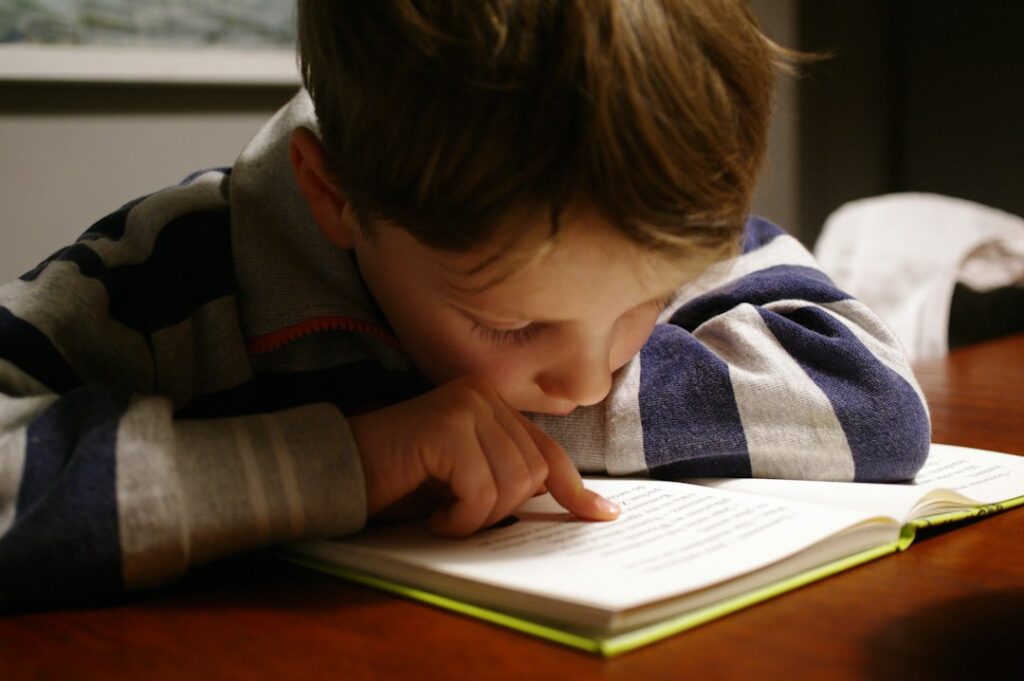
What do speech and language milestones show?
Speech and language milestones describe how children typically understand, express, and share information as they grow. They include more than spoken words: responding to sounds, using gestures, taking turns, following directions, playing socially, understanding questions, and being understood by others.
For families in Pickerington, OH, milestones can provide a practical way to notice patterns during everyday routines such as meals, play, story time, errands, and conversations in the car. They are not a test or diagnosis. Children develop at different rates, and a child may reach one skill earlier or later than another. The Centers for Disease Control and Prevention describes milestone checklists as tools for communication between families and professionals, not as strict standards. ([cdc.gov](https://cdc.gov/act-early/milestones/?utm_source=openai))
What communication skills are common during the first year?
During infancy, communication begins well before a first word. Babies often communicate through eye contact, facial expressions, body movements, sounds, and eventually gestures.
By about 2 months, many babies react to loud sounds, look at faces, and smile when spoken to or smiled at. By around 6 months, many take turns making sounds, recognize familiar people, and show interest in objects. Near 12 months, a child may use gestures such as pointing or waving, imitate sounds, engage in simple social games, and use “mama” or “dada” for a parent or caregiver. ([cdc.gov](https://cdc.gov/act-early/milestones/?utm_source=openai))
Useful ways to support early communication include:
- Responding to a baby’s sounds as if having a conversation
- Copying facial expressions and simple sounds
- Naming objects the baby looks at or reaches toward
- Pausing to allow the baby a chance to respond
- Sharing books, songs, and familiar routines every day
A baby does not need to say words to be communicating. Consistent difficulty responding to sounds, making eye contact, exchanging sounds, or using gestures may warrant a conversation with the child’s doctor.
What should families watch for from 12 to 24 months?
Between the first and second birthdays, children often make noticeable gains in gestures, vocabulary, imitation, and understanding. Around 18 months, many children point to show something interesting, try to say several words besides names for parents, follow simple directions, and imitate familiar actions.
By age 2, many children combine at least two words, such as “more milk,” “go outside,” or “Mommy up.” They may also point to named objects, identify familiar people, follow simple instructions, and use words or gestures to request help. The exact words differ from child to child; the broader pattern of learning and communicating matters most. ([cdc.gov](https://www.cdc.gov/act-early/media/pdfs/2025/08/CDC-LTSAE-Brochure21-sample-508.pdf?utm_source=openai))
Families can encourage this stage by expanding what a child says. If a child says “truck,” an adult might respond, “Yes, big truck,” or “The truck is going fast.” This models language without requiring the child to repeat it.
Gestures, signs, picture symbols, and other forms of communication also count. Using an alternative communication method does not prevent speech development. It can reduce frustration and give a child a reliable way to share needs, choices, and ideas while spoken language develops.
What changes between ages 2 and 3?
From ages 2 to 3, children commonly begin combining more words, talking about actions, asking questions, and participating in short back-and-forth conversations. By about 30 months, many children use approximately 50 words, combine words more often, use pretend play, and call attention to what they are doing. By age 3, many can participate in a conversation, ask or answer simple questions, and talk about familiar experiences. ([cdc.gov](https://www.cdc.gov/act-early/media/pdfs/2025/08/CDC-LTSAE-Brochure21-sample-508.pdf?utm_source=openai))
Speech clarity also develops during this period. Young children may still leave out or change some sounds, especially in longer words. A child who is understood by familiar caregivers may be harder for unfamiliar listeners to understand.
It is helpful to pay attention to progress rather than counting every word. Consider whether the child is:
- Learning new words over time
- Combining words in increasingly varied ways
- Understanding simple questions and directions
- Using language to request, protest, comment, and share attention
- Taking turns during play or conversation
- Showing steady improvement in speech clarity
What communication skills are expected from ages 3 to 5?
Between 3 and 5, language usually becomes more detailed and organized. Children often use longer sentences, describe events, answer more questions, follow directions with several parts, and tell simple stories.
By ages 4 to 5, many children use more complex sentences, understand location words such as “behind” and “between,” follow rules during games, and include characters or events when telling a story. Speech is generally understandable in conversation, although some later-developing sounds may still be emerging. ([asha.org](https://www.asha.org/public/developmental-milestones/communication-milestones-4-to-5-years/?utm_source=openai))

Early literacy is part of communication development as well. Children may recognize some letters, notice rhyming words, pretend to read, understand how books work, and begin writing parts of their name. Reading together does not need to be formal. Asking “What do you think will happen?” or “Why did the character do that?” encourages comprehension and storytelling.
During school transitions and busy seasonal routines, such as the start of a new school year or extended indoor time during cold weather, changes in communication may become easier to notice. Comparing a child with classmates is less useful than observing the child’s own pattern of growth across several months.
When might a speech or language evaluation be helpful?
A single missed milestone does not automatically indicate a disorder. However, families should discuss concerns if a child is missing several expected skills, is not making progress, is difficult to understand in daily situations, or loses skills that were previously present. ASHA specifically recommends seeking guidance when multiple milestones are absent, new skills are not emerging, or previously acquired abilities disappear. ([asha.org](https://www.asha.org/about/press-room/articles/what-to-expect-your-childs-communication-development/?utm_source=openai))
Concerns that deserve prompt attention may include:
- Limited response to sounds or spoken language
- Little use of gestures, pointing, or shared attention
- Few words or no word combinations by expected age ranges
- Difficulty understanding simple directions
- Speech that is consistently very difficult for familiar listeners to understand
- Frequent frustration because communication is unsuccessful
- Loss of words, gestures, social interaction, or other communication skills
Hearing should be considered whenever speech or language development is a concern. Temporary or recurring hearing problems can affect how a child learns speech sounds and understands language. Audiologists can evaluate hearing in children of all ages, while speech-language pathologists assess speech, language, social communication, and related skills. ([asha.org](https://www.asha.org/public/developmental-milestones/?utm_source=openai))
Do bilingual children follow different milestones?
Children who hear and use more than one language may divide their words between languages. Counting only English words can give an incomplete picture of communication. Families should continue speaking the languages they use most comfortably, because rich interaction in any language supports vocabulary, understanding, relationships, and learning.
ASHA notes that its communication milestone cutoffs are based on American English speakers and may not represent the sequence or pace of children using additional languages. A multilingual child’s skills should be considered across all languages rather than judged by English vocabulary alone. ([asha.org](https://www.asha.org/public/developmental-milestones/creation-of-ashas-developmental-milestones/?utm_source=openai))
What can caregivers do each day?
Everyday interaction is the foundation of communication development. Talk about what the child is looking at, doing, hearing, and feeling. Follow the child’s interests, wait briefly for a response, and expand on gestures or words without turning conversation into a quiz.
Shared reading, pretend play, singing, household routines, and outdoor observations all create natural opportunities to practice communication. During a walk, for example, an adult might comment on weather, traffic sounds, animals, or changes in the neighborhood and then pause for the child to respond.
Milestones are most useful when they lead to observation, responsive interaction, and timely questions—not comparison or blame. Families who remain concerned can bring notes or short examples of the child’s communication to a pediatric visit or developmental discussion.